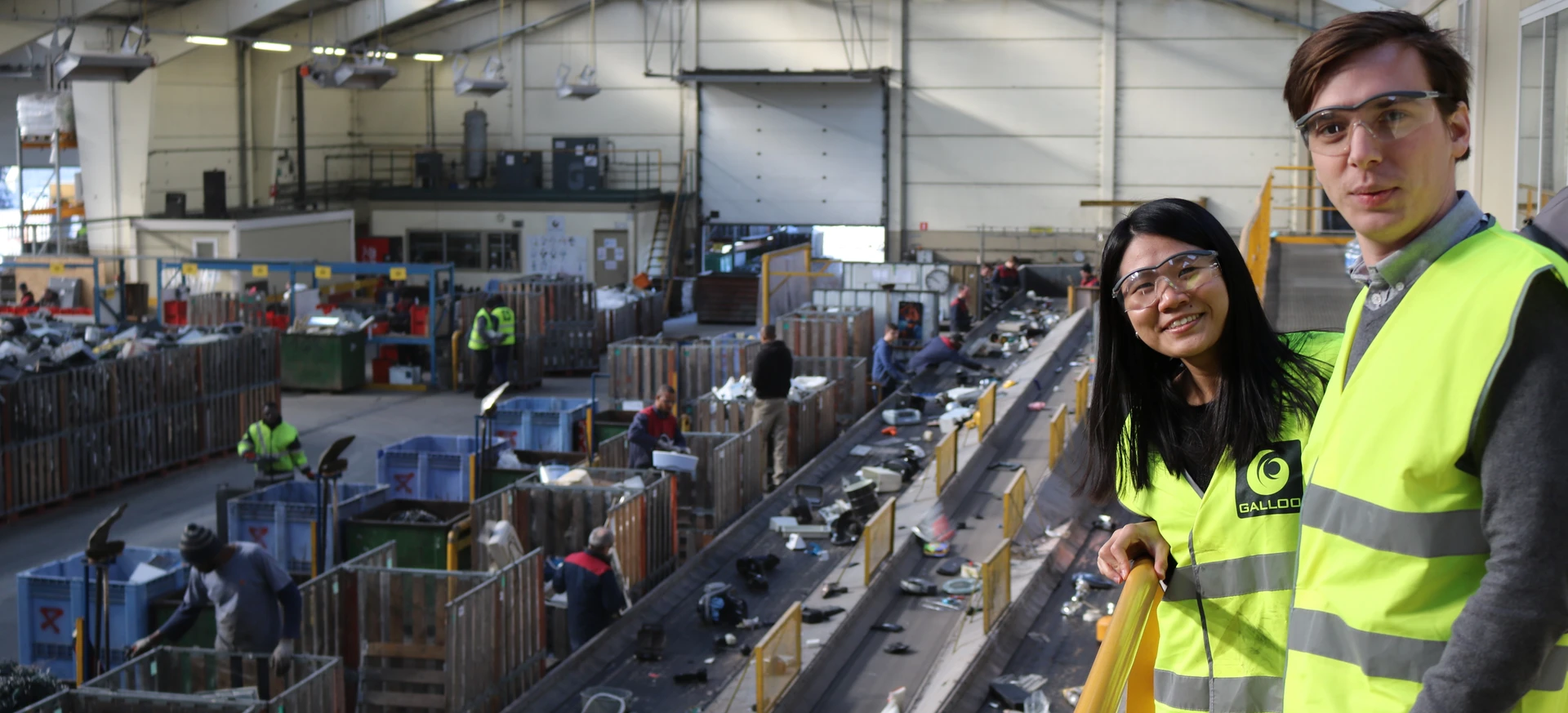
What led you to specialise in Life Cycle Assessment (LCA)?
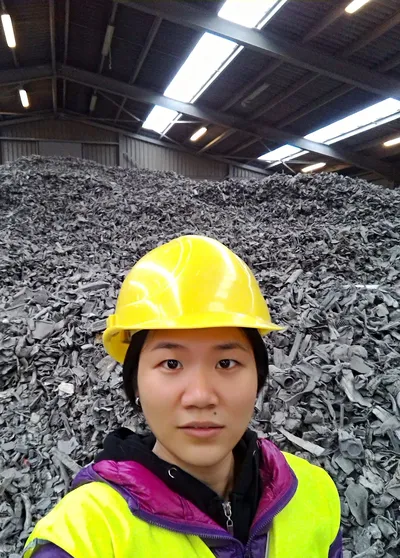
It started with wanting to better understand electronic waste. My background was in Communication Systems Engineering and I was introduced to LCA during my Honours year.
The Honours project involved a manufacturer in Penang, Malaysia. I gathered data on their emissions and the kinds of materials they use. LCA helped me to understand the input and output flows of materials. After presenting the project at a conference with lots of LCA experts, I realised, “hey, this is something I’m interested in!”. This led to my PhD involving LCA and circular economy. I’m really happy to be working in this space because it’s my passion.
Tell us a little more about your research
My PhD at the Australian National University looked at how different joining techniques for car doors – like welding or screws – affect the material recyclability at a vehicle’s end of life. I tried to understand how better design can improve recyclability, particularly with the combination of materials like aluminium, steel, and a lot of hybrid materials, used in vehicles today.
By looking at rates of contamination in recovered materials like steel or aluminium, I found that a lot of materials weren’t separated well. Joining techniques played a part in this. We then asked, what would be the best combination of materials and techniques to help with separation or recycling at the end?
It's great that your research has that practical application.
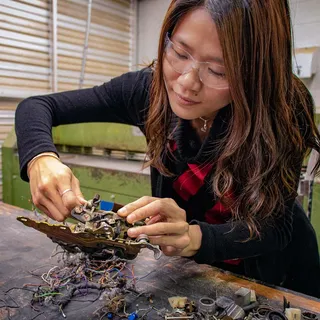 Practicality has been a major thing in what I do. My research always reached out to industry to ask, “how can we solve the problem?”. Hearing what industry partners would like to solve from a technical perspective helps make a difference.
So, what are some of the takeaways of your research?
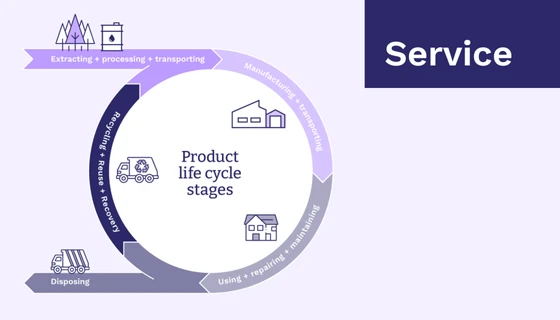
The study was about understanding the full life cycle impacts and how to avoid shifting the burden. In circular economy terms, using mixed materials and some joining techniques leads to higher contamination, which then leads to material degradation. This affects the useability and quality of the material.
Stakeholders need to make changes at the beginning. By the recycling phase the damage is done. By improving end-of-life recyclability at the outset, manufacturers are accountable for the product they’ve designed.
Do you think we need to use LCA and Circular Economy (CE) together to gain this full perspective?
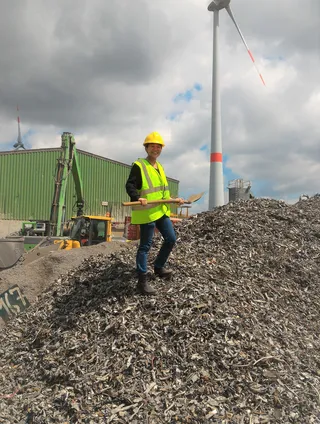 LCA and CE go hand-in-hand. When combined they’re a really powerful tool to make a more informed decision that covers all sustainability pillars - economic, environmental, and social. You can come up with the best solution for the environment, but if it’s not cost-effective it won’t happen. Then there’s the social aspect which can have so many dynamics.
What opportunities do you see for more sustainable manufacturing?
Better communication between industry and recyclers could be critical to improve recycling outcomes. Manufacturers need to thoroughly understand what happens to their product at end of life in a practical sense, then incorporate this into their decision-making – not through assumptions about how recyclable their materials are.
What aspect of your work do you find most exciting?
Well, sustainability is already my passion, so any aspect is great! I like seeing how interested companies are in improving the sustainability of their products. At thinkstep-anz, we contribute a lot to getting that information right. Our team has a lot of skills and experience to help companies.
You’ve been with thinkstep-anz for almost a year. What are some highlights looking back?
I’ve done such a variety of projects already – from construction products to packaging. I think a lot of people want to improve their impacts but don’t have the information to do so. That goes for our clients too. Knowing they’ll actually make a change with the information – that’s been priceless.
Imagine you’re stuck on a desert island: which dish, music, and book would you choose to take?
Dish: I’m a big fan of a Malaysian dish called Assam Laksa, a sour fish broth laksa. Or Tom Yum. I also love my noodles and even have a noodle maker!
Music: I love the song Words by the Bee Gees. It’s a song my uncles always sing when there’s a family gathering.
Book: The Chicken Soup for the Soul series. I connect with inspirational, uplifting books.
A passion for holistic sustainability
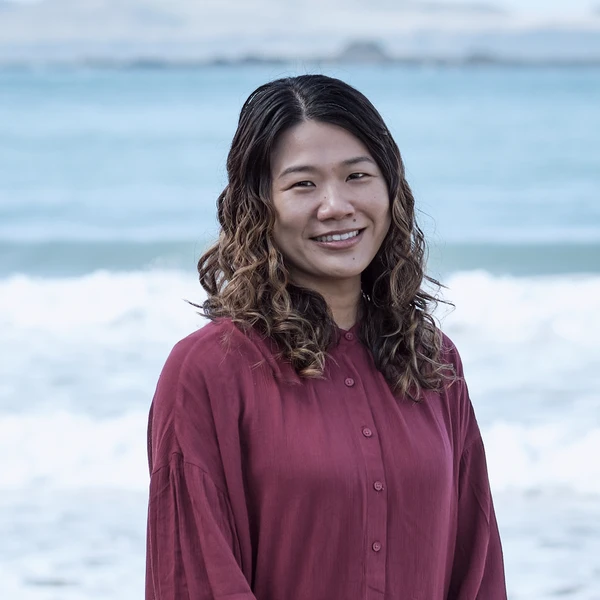
An award-winning researcher and systems engineer, Vi Kie’s background is a versatile mix of academia and industry. Our Canberra-based Senior Sustainability Specialist works primarily in product sustainability on Life Cycle Assessment (LCA) and EPD projects.
January 2022