Out of the 100 listed companies in Australia and New Zealand, 56 are reporting on the UN Sustainable Development Goals (SDGs). But how do they use them? What are the most common SDGs? Are there differences between Australia and New Zealand?
Our SDG Status Report with a guest foreword from Kylie Porter, Executive Director of the Global Compact Network Australia, released on 21st April 2021 provides a snapshot of how ASX and NZX top 50 companies are reporting on the SDGs today. Research for this report was carried out between July 2019 and January 2021.
Sustainability reporting has become the norm for companies of all industries and sizes. The United Nations Sustainable Development Goals play an important role in guiding this reporting. By aligning organisational strategy with the SDGs, companies can better focus their initiatives and meet stakeholder expectations around sustainability issues.
While SDG reporting has increased, more meaningful integration of the SDGs and less ‘SDG Bingo’ is still needed.
Our study asked which SDGs companies are selecting, how they are selecting them, and how SDG reporting is supported by standardised reporting frameworks like GRI and <IR>.
Here are some key findings:
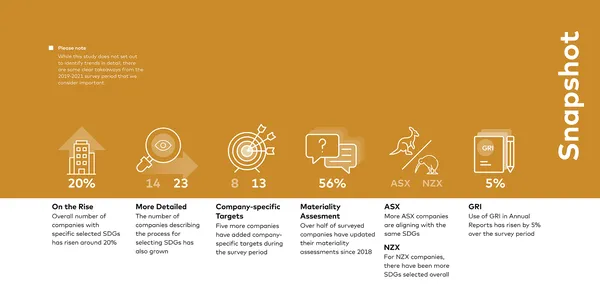
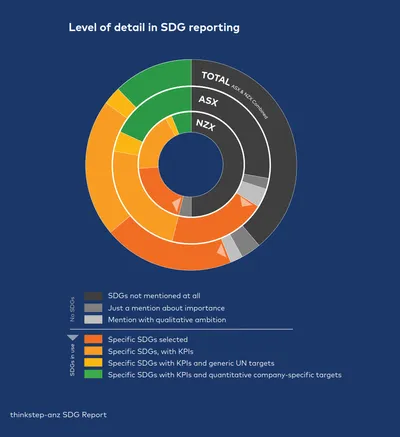
About a third of the companies using SDGs have set specific KPIs around them
38% of the companies describe the process on how they have chosen their SDGs
The number of companies with specific SDGs chosen has increased by 20% over the research period
Some more findings:
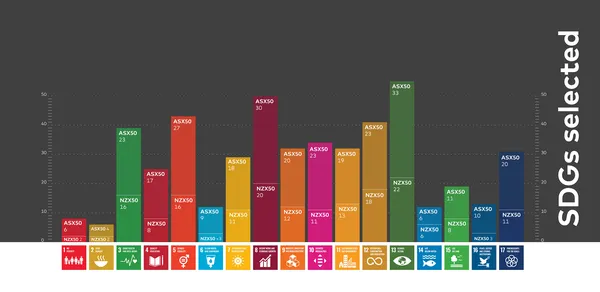
50% of all companies have selected the SDG for Decent work and Economic growth (SDG 8)
All but two organisations have selected Climate action (SDG 13)
No poverty (SDG 1) and Clean water (SDG 6) were chosen three times more often in Australia than New Zealand
Zero hunger (SDG 2) has been selected twice as often in Australia
Three times as many Australian companies have a dedicated sustainability report
With less than a decade left to achieve the SDGs by the target year 2030, now is the time for organisations large and small, public and private, to take up the challenge of integrating the SDGs into their strategies. Our findings reveal the growing importance of the SDGs in reporting today.
As thinkstep-anz CEO Barbara Nebel writes in her foreword, “take inspiration by our SDG Status Report and, in the spirit of SDG 17, let’s take collective action”.
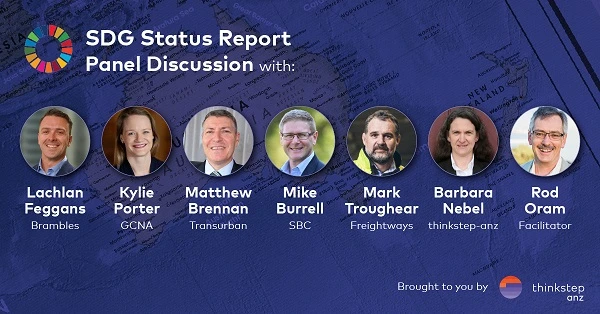
To celebrate the launch of the report, thinkstep-anz hosted a panel of sustainability and industry experts who shared their interpretations of the findings on 27 April. The event featured distinguished panellists from UN Global Compact Network Australia, Sustainable Business Council New Zealand (SBC), Freightways, Brambles, Transurban and thinkstep-anz. The event was facilitated by Rod Oram. We are preparing a recording of the session. If you are interested in receiving the link, please get in touch below.
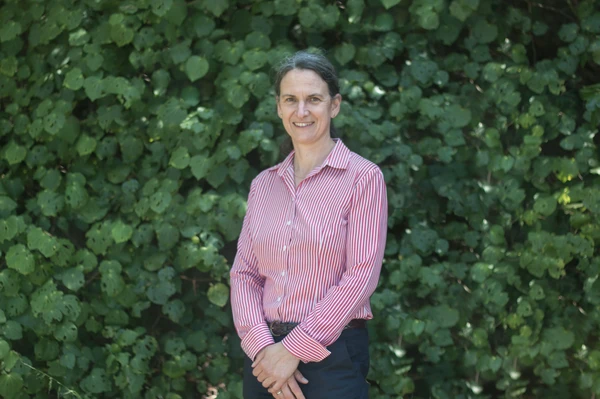
Under Barbara's leadership as CEO, thinkstep-anz become a B Corporation, set an approved science-based target with the Science Based Targets initiative, and became an active supporter of TCFD. Together with her team, she delivers a full range of sustainability services from strategy and materiality assessments through to detailed Life Cycle Assessments and Cradle to Cradle® projects, helping organisations to embed the SDGs into the process along the way.
An ambitious global plan to end poverty, protect the planet, promote prosperity and ensure peace for all. All 193 countries of the UN pledged their commitment to the 17 goals in September 2015.
An engaging panel discussion with leading sustainability and industry experts demonstrates the business value of the SDGs and highlights key findings from thinkstep-anz's SDG Status Report.
Identify and prioritise relevant sustainability matters by engaging directly with your stakeholders. It is a robust way to establish sustainability standards and frameworks or to further integrate sustainability into existing strategy.