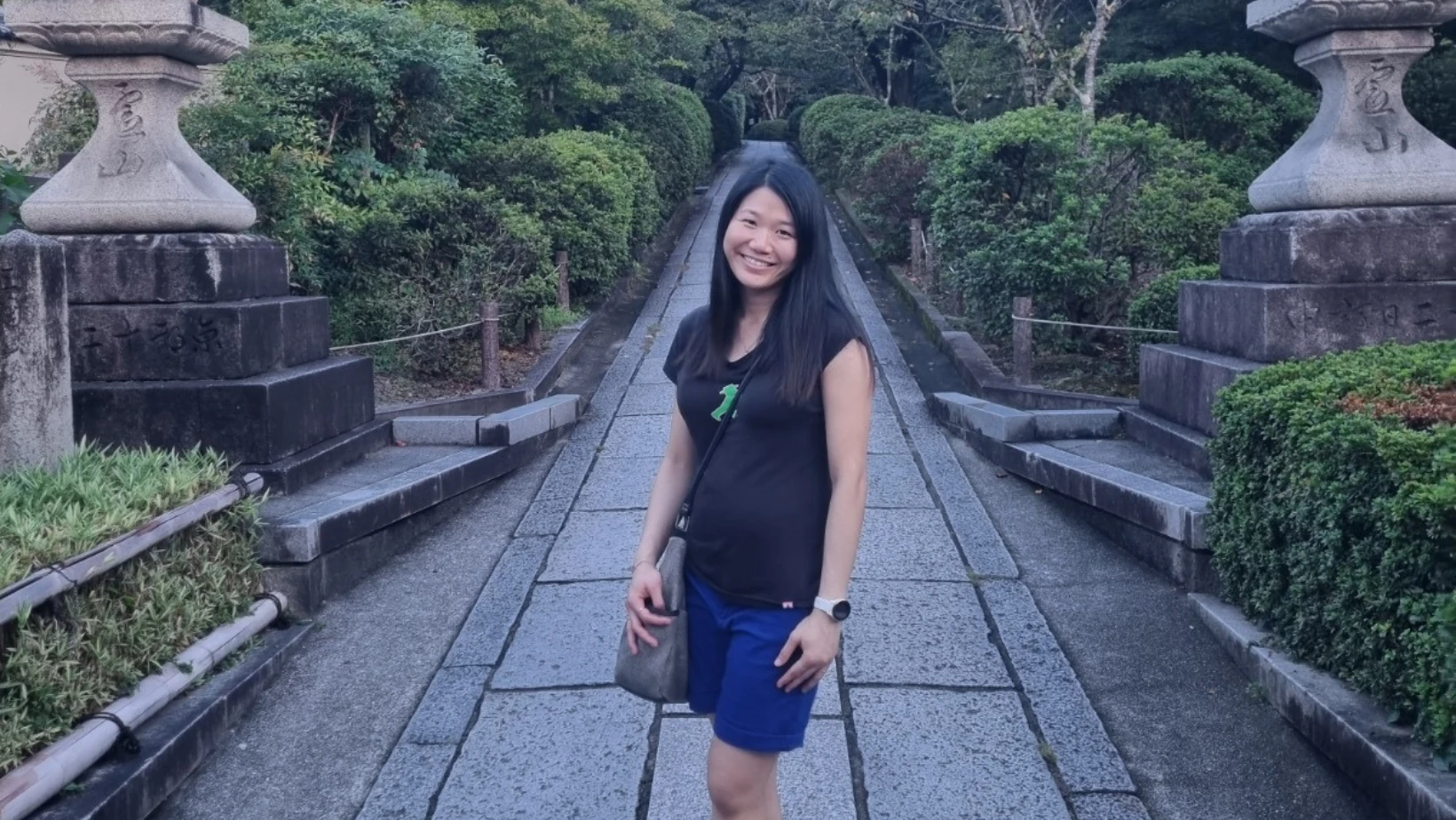
Meet Vi Kie Soo, a Principal Sustainability Specialist in our life cycle assessment (LCA) team. Vi Kie lives in Canberra and this year we celebrated her 5th anniversary with thinkstep-anz. In this five-minutes-with feature, she shares what drew her to sustainability, why turning complex analysis into useful insights matters and the pride she feels when her mum explains her work to others.
Why did you choose a career in sustainability?
My background is in engineering, and I have always been interested in understanding how products, industries and systems affect the environment. During my research and professional experience, I became increasingly interested in using life cycle assessment to identify environmental impacts and support better decision-making.
Sustainability lets me combine technical analysis, problem-solving and collaboration to help organisations make meaningful improvements.
I also find it personally fulfilling to see how the knowledge I have gained through sustainability work influences my own choices and encourages me to become a more conscious and sustainable consumer.
You have been with thinkstep-anz for more than 5 years. What do you like about your work?
What I enjoy most is the variety of projects and the opportunity to work with clients across different industries. Every project brings new challenges and opportunities to learn.
I also value working with a team of knowledgeable and passionate people who are committed to making sustainability practical and credible. The collaborative environment and the opportunity to continually develop my technical expertise have made my time at thinkstep-anz both rewarding and fulfilling.
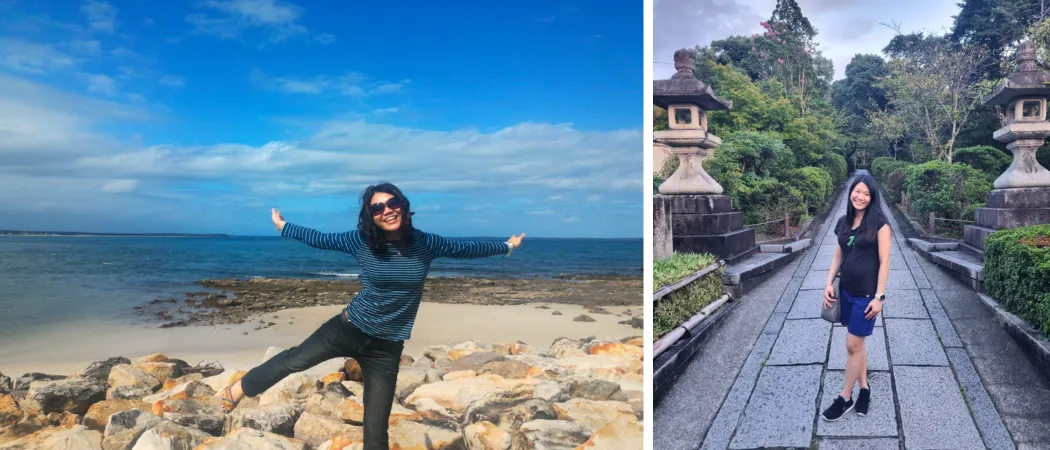
What are you proud of in your career?
I am proud of the technical expertise and experience I have developed in life cycle assessment (LCA), environmental product declarations (EPDs) and environmental footprinting.
I am particularly proud when complex technical analysis can be translated into clear and useful insights that help clients understand their impacts and make better decisions. It is rewarding to see the work contribute to credible sustainability strategies, product improvements and more informed conversations.
I am proud to be able to use my expertise to educate and inspire people around me, especially my family. One of the most meaningful moments for me is hearing my mum explain what I do and talk about sustainability with others. It is incredibly rewarding when friends, family members and members of my extended family become curious and start asking questions about sustainability.
Knowing that my work has helped spark those conversations beyond the workplace makes me especially proud of the career I have built.
What do you see as the biggest challenge in sustainability?
One of the biggest challenges is translating sustainability ambition into practical, measurable and credible action. Many organisations have strong sustainability commitments, but implementing meaningful change can be difficult because of complex supply chains, limited data and competing business priorities.
There is also a need to communicate sustainability information clearly. Technical assessments are important, but the results need to be understandable and relevant to decision-makers if they are going to lead to action.
“Sustainability awareness is a journey, and that knowledge can change the way we think and act.”
What do you do when you’re not working?
I love baking and cooking. Since having my son about a year and a half ago, I have been developing my cooking skills by creating delicious and nutritious meals for him – while navigating the challenges of feeding a picky eater!
Outside of that, I enjoy spending quality time with my family, exploring new places and our surroundings, and creating meaningful memories together.
Tell us one secret about you.
During my high school and teenage years, I had very little awareness of how my everyday actions could affect the environment. For example, I used to throw used batteries into the household rubbish bin because I did not know they required special disposal. At the time, this was also a common practice, so I never questioned it.
As I learned more about environmental impacts through my studies and career in sustainability, I began to reflect on some of my past habits and felt guilty about the choices I had made without fully understanding their consequences. It was a valuable reminder that sustainability awareness is a journey, and that knowledge can change the way we think and act.
Interestingly, during my postgraduate research, I went on to work on battery-related research and their environmental impacts – it almost felt like karma! Since then, I have made a conscious effort to make more informed and sustainable choices, and I have never put a battery in the household rubbish bin again.