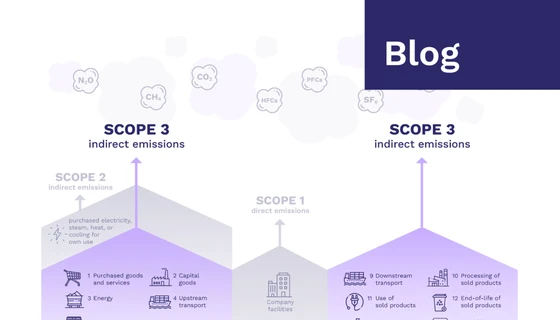

If you're setting out to tackle scope 3 emissions from your supply chain, it can feel overwhelming.
Gathering the right data can seem even trickier, but don't worry! Here's how to untangle your data collection so your business can take clear, meaningful steps towards sustainability.
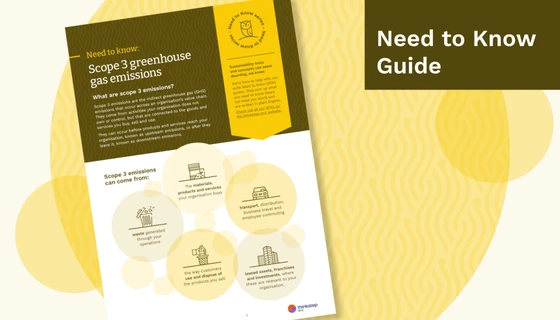
Read our Need to Know: Scope 3 emissions
Data comes in all shapes and sizes
Data isn't always tidy - it comes in various forms, from clear invoices and spreadsheets to quick emails and PDFs. It's best to start with measurable, direct sources like invoices, but remember these too can differ greatly in format, detail and accuracy. Suppliers might use different units, frameworks and reporting periods, even varying within their own company. Getting familiar with your suppliers' methods and assumptions helps you ensure nothing important is missed.
Why Scope 3 is not actually double counting
At first glance, scope 3 emissions may seem like double counting, especially when the same emissions appear in multiple companies' reports. But the purpose of scope 3 accounting isn't to total up emissions across all businesses. It’s about understanding which emissions you can influence and where you can take action.
This approach is designed to encourage collaboration across supply chains, sectors and communities. For instance, transport emissions might be scope 1 for a freight provider, but they’ll also be scope 3 for the company sending the goods and the customer receiving them. That overlap isn’t a flaw, it’s a feature. It highlights shared responsibility and opens the door to joint action.
That said, it’s important to avoid double-counting within your own scope 3 inventory. For example, if you report emissions from business flights under category 6: business travel, make sure the same flights aren’t also captured under category 1: purchased goods and services. Being clear and consistent in how you categorise emissions helps maintain the integrity of your data.
Who owns scope 3 emissions?
No one party owns scope 3 emissions outright because they exist in the space between organisations. Your scope 3 emissions are someone else’s direct emissions, and vice versa. That means responsibility is shared.
Rather than focusing on ownership, think in terms of influence. Both you and your suppliers (or customers) have a vested interest in reducing these emissions. When both sides engage, by sharing data and setting joint goals, it's easier to drive meaningful reductions across the value chain.
Why working with stakeholders matters
Engaging stakeholders, including your customers, suppliers, investors and regulators, is crucial when mapping your scope 3 emissions. Understanding their needs, reporting requirements and sustainability goals can uncover new opportunities to work together, share data and meet regulatory expectations. Building these connections makes your reporting more robust and your sustainability journey smoother.
Benefits of managing scope 3 emissions for your business
Going beyond compliance in managing scope 3 emissions can significantly benefit your business. It can open new market opportunities, increase customer loyalty, attract talented employees and improve your chances of accessing sustainable finance. By proactively managing your emissions, your business also reduces exposure to regulatory changes and market risks tied to the transition towards a low-carbon economy.

Need help untangling your data?
At thinkstep-anz, we specialise in simplifying the complicated. Our experienced team helps businesses across Australia and New Zealand gather, interpret and use their data effectively. Whether you're just starting or need support refining your process, we're here to make sure your scope 3 emissions reporting is clear, accurate, and actionable.
Reach out - we'd love to help untangle your data!