How materiality can help you focus resources and strengthen business resilience
Materiality should help you decide where to invest, what to prioritise and what can wait. Its value comes from how the findings influence business decisions, including the risks leaders monitor and the actions they fund.
In this webinar, Andrew Petersen, CEO of the Business Council for Sustainable Development Australia, and Mike Burrell, CEO of the Sustainable Business Council and Climate Leaders Coalition, join Barbara Nebel, CEO of thinkstep-anz, to discuss what materiality means for businesses on both sides of the Tasman.
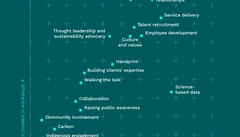
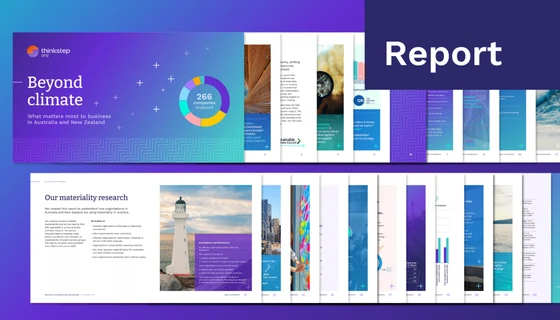
Together, they explore our analysis of 266 organisations across Australia and New Zealand, what the findings reveal about materiality and how businesses can use the process to guide strategy and action.
Watch the webinar replay here or scroll down for five key takeaways.
Five key takeaways
1. Use materiality to make better decisions
Ask what your materiality process changed. Connect the findings to investment, targets and board oversight, and use them to decide where to focus your resources.
2. Understand your own business context
Climate risk topped New Zealand’s priorities, while health, safety and wellbeing led in Australia. Your operating environment shapes what matters to your business. Use others’ findings as a reference, then test your own priorities.
3. Look at impacts in both directions
The research found 70% considered both their impacts on society and the environment and sustainability issues affecting their business. Double materiality is common in practice, even without the label.
4. Engage stakeholders and explain your approach
Only about a third of the businesses described a stakeholder engagement method in their reporting. That matters for credibility. Hearing directly from stakeholders lets them challenge your thinking and shows your priorities reflect more than just an internal view. Be clear about who you engaged, what you heard and how their input shaped your priorities.
5. Sustainability strategy becomes business strategy
The line between sustainability strategy and business strategy is starting to blur. Climate, nature, social issues and geopolitical pressures increasingly affect how well a business can respond to change and disruption. Managing these issues well builds resilience and protects your ability to create value.