How verified product data can support customers, tenders and better business decisions
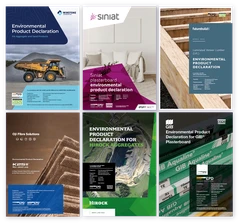
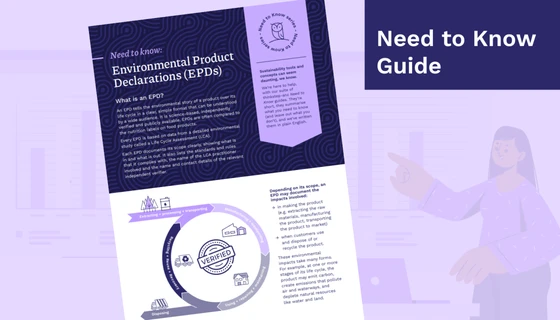
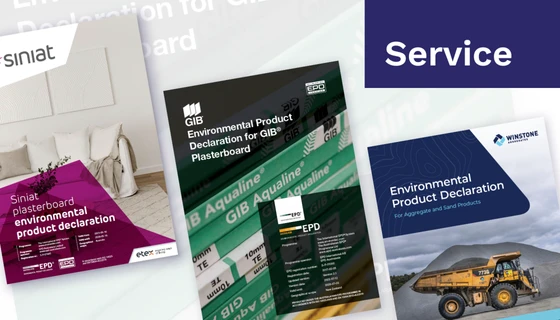
An environmental product declaration (EPD) is most useful when people can find, understand and apply the information it contains. But developing one is not simply a matter of completing a form or publishing a document. It requires organisations to bring together product data, internal expertise and practical business priorities – often revealing important differences between products that a single average figure might hide.
For Austube Mills, developing five product-specific EPDs required bringing together detailed information from across the business. The process raised practical questions about data ownership, stakeholder involvement, customer expectations and how environmental information could be used beyond the final publication.
In this webinar, Andrew Karbowiak, Technical and Business Improvement Manager at Austube Mills, joins Gustavo Moraga, Senior Sustainability Specialist at thinkstep-anz, to discuss Austube Mills’ experience developing their EPDs.
Together, they explore why the business invested in EPDs, what they learned during the development process and how verified environmental information is supporting customers, tenders and internal decisions.
Watch the webinar replay here, or scroll down for five key takeaways.
Five key takeaways
1. Customer demand can make EPDs a requirement to compete
Austube Mills was increasingly receiving requests for product-level environmental information. EPDs also feature in building rating tools, procurement requirements and embodied carbon reporting.
In some parts of the market, an EPD is no longer simply a way to differentiate a product. It is becoming an important part of maintaining market access.
2. Design your EPDs around how customers will use them
Austube Mills chose to publish five EPDs covering its main product segments instead of averaging its entire range into one EPD.
Coating type and steel coil source significantly affect the carbon results. Separate EPDs give customers more specific information and avoid hiding important differences within one blended number.
3. Involve the right people and plan the data early
Developing Austube Mills’ five EPDs required information from different parts ot the business, making early planning and clear data ownership important.
Process flow diagrams helped the team identify the required inputs. Involving salespeople, data owners and the people who would eventually use the EPDs also helped connect the technical work with customer needs.
Putting these foundations in place can make future EPD development and updates significantly more efficient.
4. One verified source can serve many purposes
Austube Mills can use its EPDs to provide embodied carbon data, support tenders and help customers pursue points under Green Star and Infrastructure Sustainability rating tools.
The standardised format makes it easier to respond consistently to customer questions. Independent verification and registration also strengthen the credibility of the environmental information Austube Mills provides.
5. Use the findings to improve decisions and future data
The EPDs showed that steel coil inputs accounted for more than 90% of Austube Mills’ product impacts. This helps the business understand where changes could make the greatest difference.
Austube Mills has also added relevant metrics to its monthly reporting. When its EPDs need to be renewed, the business will already be collecting much of the information it needs.
A few practical answers from the Q&A
Where can people find published EPDs?
EPDs registered through EPD Australasia are freely available through its website. They can also be found through the International EPD System, which includes a wider international collection.
Recently published EPDs from the International EPD System are also linked through ECO Platform, which brings together EPD information from different programmes.
Can an EPD cover a service?
An EPD could potentially cover a service, although most published EPDs relate to products, particularly construction products. Gustavo noted that a life cycle assessment may be the more appropriate option when the main goal is to understand the environmental impacts of a service.
How is Austube Mills preparing for its EPD renewals?
EPDs are generally valid for five years. Austube Mills has added new metrics to its monthly reporting so it routinely collects information that was difficult to gather during the first development process.
This will make future EPD updates more efficient and improve the quality of the underlying data.